

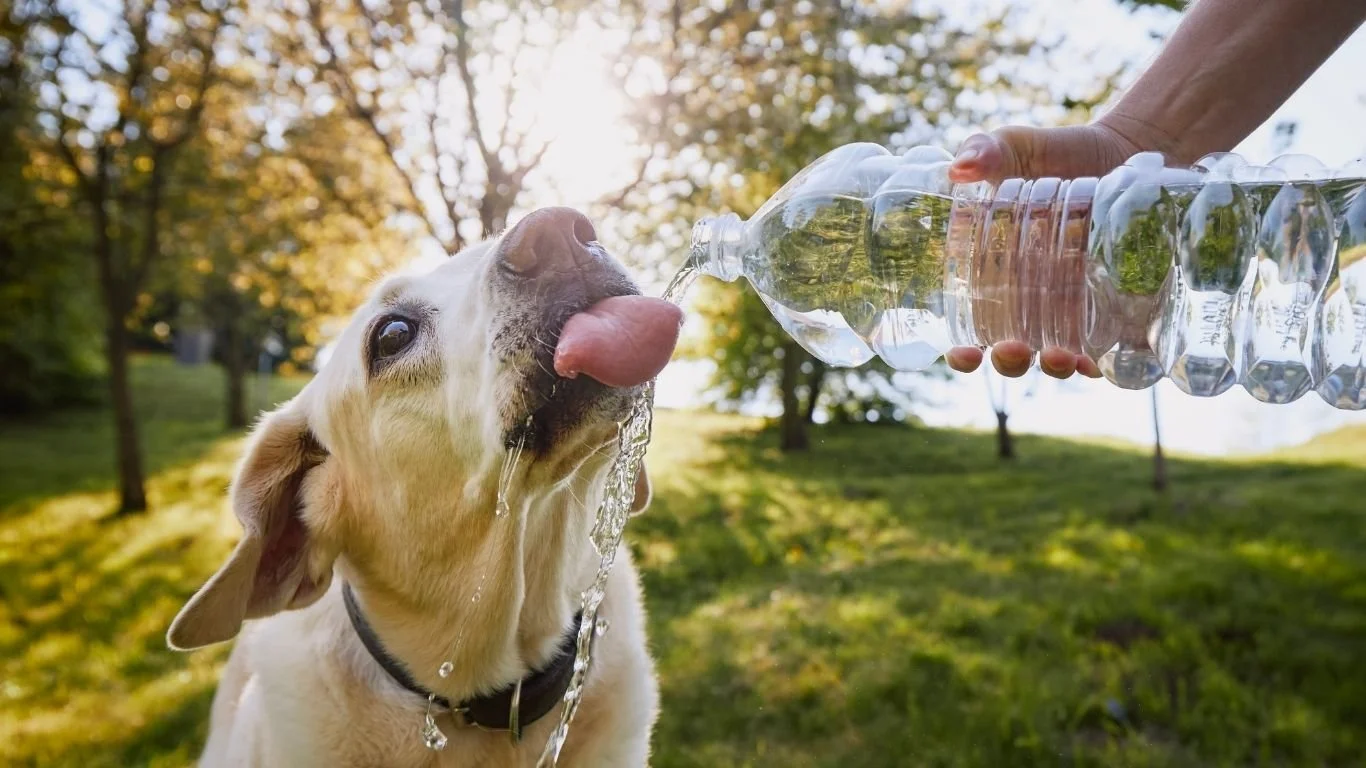
Anyone who has lived through a Southeast Texas summer knows that our heat does not play fair. By mid morning the humidity has already settled in like an unwelcome houseguest, and the asphalt around Conroe and Willis can climb well past what feels safe for bare paws. As dog walkers who spend our days outside in this weather, not just reading about it, we have picked up quite a few habits over the years that keep pets safe when the temperature spikes. Here is what we do, and what we want every pet owner in Montgomery County to know before the next heat wave rolls through.
Time your walks around the sun, not the clock
The single biggest mistake we see is walking a dog based on convenience rather than temperature. A seven a.m. walk in July already feels warm, but it is nothing compared to what that same sidewalk will feel like at two in the afternoon. We plan our walking routes for early morning or after the sun starts dropping in the evening, when the ground has had a chance to cool and the air is a few degrees more forgiving. If your schedule only allows for midday visits, that is exactly why services like midday drop ins exist. A quick trip outside to the yard and a refreshed water bowl can stand in for a full walk until the temperature comes back down.
Do the pavement test every single time
This one takes five seconds and it matters more than almost anything else on this list. Before you head out, press the back of your hand against the pavement or driveway and hold it there for seven seconds. If it is too hot for your hand, it is too hot for your dog's paws. Concrete and asphalt around Conroe and Willis can reach temperatures that cause real burns in minutes, and dogs often will not show pain until the damage is already done. When in doubt, stick to grass, choose a shaded trail, or consider dog booties for extra protection on hot afternoons.
Watch for the early signs of overheating
Heatstroke in dogs can move from mild discomfort to a genuine emergency faster than most owners expect. Keep an eye out for heavy panting that does not slow down, bright red or purple gums, drooling that seems excessive, wobbly or uncoordinated movement, and vomiting. Flat faced breeds like bulldogs and pugs, along with older dogs, overweight dogs, and thick coated breeds, are at higher risk and need extra caution even on moderately warm days. If you notice any of these signs, move your dog to shade immediately, offer cool (not ice cold) water, and get in touch with your veterinarian right away. This is not a wait and see situation.
Hydration matters before, during, and after
Do not wait until your dog seems thirsty to offer water. Bring a collapsible bowl and bottle on every walk, even short ones, and offer water at regular intervals rather than one big drink at the end. Dogs that are well hydrated regulate their body temperature far more effectively, and a dog who has had steady access to water throughout a walk is much less likely to overheat than one who only drinks once they get home.
Rethink the route, not just the timing
Shaded trails and tree lined neighborhoods make a real difference. If your usual route runs along open sidewalks with full sun exposure, consider swapping it for a shadier path, even if it means driving to a different part of town. Areas with more tree cover hold noticeably less heat than open pavement, and your dog will thank you for the extra ten minutes it takes to get there.
Shorter, more frequent walks beat one long one
During the hottest stretches of summer, we often recommend breaking a long walk into two or three shorter outings spread across cooler parts of the day. This keeps your dog active and mentally stimulated without asking their body to handle sustained heat exposure for thirty or forty minutes straight. A ten minute walk at dawn, a bathroom break midday, and a slightly longer walk after sunset covers the bases without the risk.
Know when to skip the walk entirely
Some days, the responsible choice is to skip the outdoor walk altogether and focus on indoor enrichment instead. Puzzle feeders, a game of fetch down a hallway, or a bit of extra training practice can burn energy without the heat risk. There is no shame in calling it. Your dog would rather have a slightly less exciting afternoon than a trip to the emergency vet.
We walk dogs across Conroe, Willis, and east Montgomery every day, all summer long, and we plan every route with the actual weather in mind rather than a fixed schedule. If the thought of managing walk timing around Texas heat feels like one more thing on your plate, that is exactly the kind of thing we are here for. Reach out anytime to talk about a walking schedule that keeps your dog safe, cool, and happy no matter what the thermometer says.