The Real Benefits of Daily Dog Walks (And Why Your Backyard Isn't Enough)

We hear this a lot from new clients around Conroe and Willis: "My dog has a big backyard, so he gets plenty of exercise." We understand the logic, and we know how much easier it feels to just open the back door and let your dog loose for a while. But after years of walking dogs across Montgomery County, we can tell you with confidence that a yard, no matter how big, is not a substitute for a real walk. Here is why daily walks matter so much more than most people realize, and what your dog is actually missing out on without one.

A yard is exercise. A walk is an experience.

Dogs left alone in a backyard tend to develop a predictable pattern. They patrol the fence line a few times, sniff the same spots they sniffed yesterday, maybe chase a squirrel if one shows up, and then settle into a shady spot to wait. It is exercise in the loosest sense, but it is not mentally engaging. A walk, on the other hand, exposes your dog to new smells, new sounds, and new sights every single time, even if you walk the same route. That mental stimulation is just as tiring, in a good way, as the physical activity itself. A dog who gets a proper walk tends to settle down at home more easily, because their brain has actually been worked, not just their legs.

Sniffing is not a distraction, it is the point

If you have ever tried to hustle your dog past every mailbox and fire hydrant, we get it, but consider letting them slow down and sniff more than you think they need to. A dog's sense of smell is their primary way of understanding the world, somewhere between ten thousand and one hundred thousand times more sensitive than a human's. Every sniff is essentially your dog reading the news: who walked by, what they ate, whether another dog marked that spot yesterday. Giving your dog time to sniff during a walk is a form of enrichment that a backyard, with its familiar and unchanging scent map, simply cannot offer.

Walks reduce problem behaviors at home

A surprising number of behavior issues, including excessive barking, destructive chewing, and restlessness, trace back to a dog that is simply not getting enough physical and mental output. Owners often assume their dog is just "high energy" or "stubborn," when the real issue is a lack of consistent daily movement paired with new stimulation. We have watched dogs settle into calmer, happier routines within a couple of weeks of adding regular walks to their schedule, sometimes even when the yard access stayed exactly the same as before.

Socialization matters more than people expect

Regular walks give your dog controlled, low pressure exposure to the world: other dogs on leash, neighbors out mowing their lawns, delivery trucks, kids on bikes. This kind of ongoing, mild exposure helps dogs stay confident and well adjusted rather than reactive or anxious when they do encounter something unfamiliar. A dog who only ever experiences their own backyard can become more nervous or overly excited when they finally do leave the property, simply because the outside world feels unfamiliar and overwhelming.

Walks support weight management and joint health

Backyard time tends to involve short bursts of activity followed by long stretches of lying around. A structured walk provides sustained, low impact movement that is genuinely good for a dog's cardiovascular health and joints, especially as they get older. Keeping a dog at a healthy weight through consistent activity is one of the simplest ways to extend their quality of life and reduce the risk of joint problems down the road.

It strengthens your bond, even when someone else is holding the leash

We talk to a lot of pet parents who feel guilty hiring a dog walker, as though it means they are outsourcing their relationship with their pet. It is actually the opposite. A well exercised, mentally satisfied dog is a more relaxed and affectionate companion during the time you do spend together. Instead of coming home to a dog bouncing off the walls with pent up energy, you come home to a dog who is calm, content, and genuinely glad to see you, ready to curl up on the couch instead of demanding an hour of fetch first.

What this looks like day to day

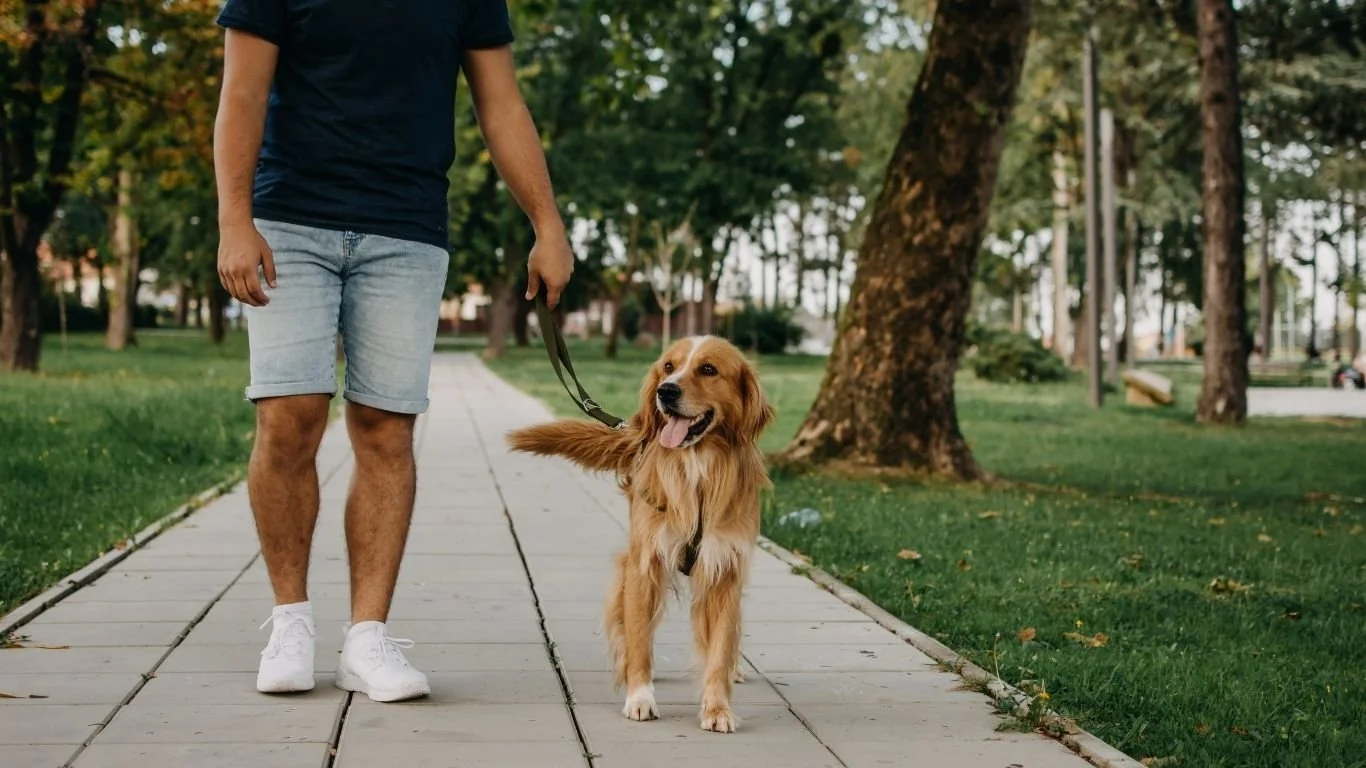
A daily walk does not need to be complicated or long. Even fifteen to twenty minutes of purposeful walking, with time to sniff and explore, makes a real difference over the course of a week. For working pet parents across Conroe, Willis, and the surrounding area, this is exactly why regular dog walking visits exist. It is not about replacing your relationship with your dog, it is about filling in the gaps during the hours you cannot be home, so your dog gets consistent movement, mental engagement, and a friendly face checking in, rain or shine.

If your dog has been relying on backyard time alone, consider this your gentle nudge to add a walk to the routine. Your dog's body, brain, and behavior will thank you, and so, eventually, will your couch cushions. We would love to build a walking schedule around your dog's needs and your family's routine. Reach out anytime to get started.
New Puppy in Conroe or Willis? A Local Guide to Socializing Your Pup

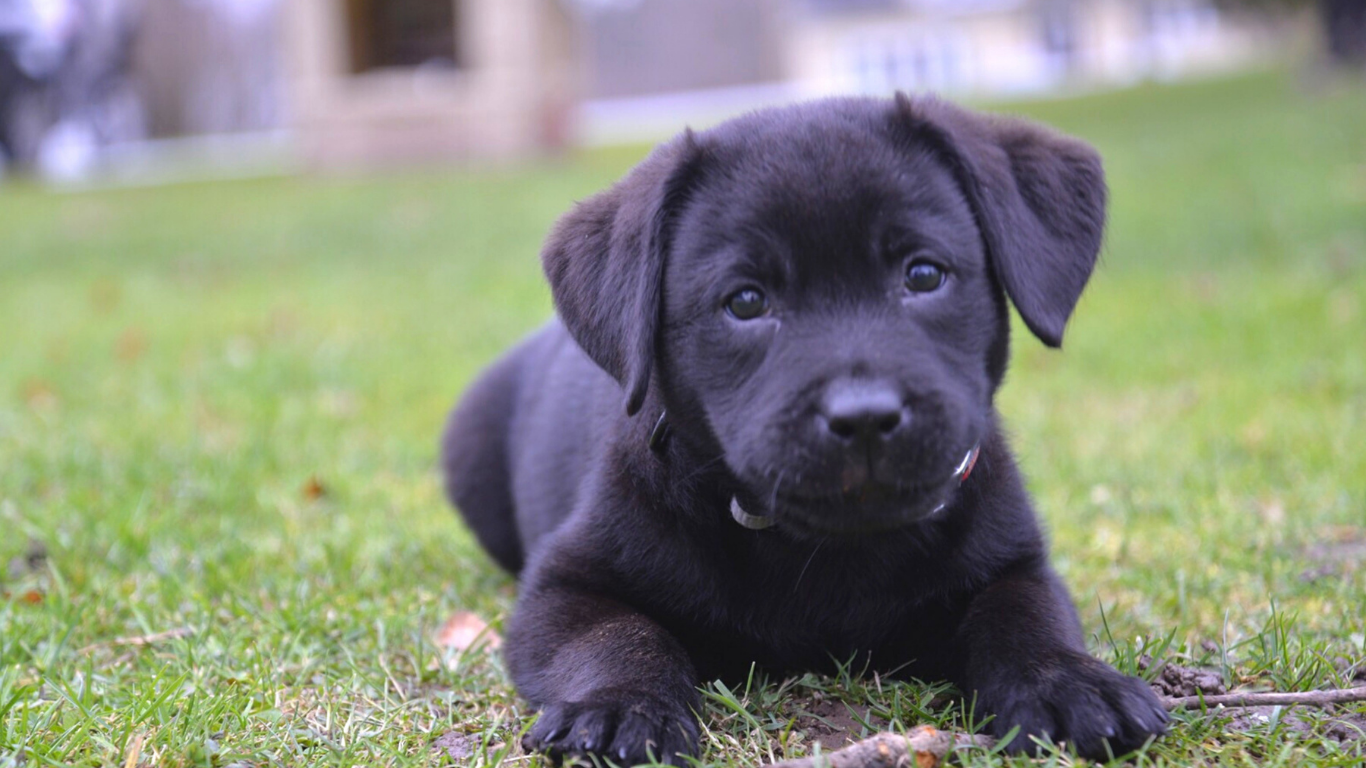
Bringing home a new puppy is one of the best kinds of chaos. Between the chewed shoelaces and the three a.m. bathroom trips, it is easy to let socializing slip down the priority list. But the first few months of a puppy's life shape how they handle the world for years to come, and as sitters who work with plenty of young dogs across Conroe and Willis, we want to walk you through what actually matters and when.

The window is shorter than you think

Puppies have a critical socialization window that runs roughly from three to sixteen weeks of age. During this stretch, their brains are wired to absorb new experiences as normal rather than threatening. A puppy who meets calm strangers, hears a vacuum cleaner, rides in a car, and greets a friendly dog during this window tends to grow into an adult dog who takes the world in stride. Miss this window and the same experiences can require months of patient retraining later on. This is not a reason to panic if your puppy is already a few months old, but it is a reason to start now rather than waiting for "the right time."

Quality matters more than quantity

A common mistake is treating socialization like a numbers game, as many dogs and people as possible, as fast as possible. That approach can actually backfire. An overwhelmed puppy who gets cornered by an overly excited dog at the park may walk away more fearful, not less. Aim instead for short, positive encounters. A calm five minute greeting with a well mannered adult dog does more good than an hour at a crowded dog park. Let your puppy set the pace, and end the interaction while they are still enjoying themselves rather than pushing until they get overwhelmed.

Local spots that work well for young pups

Conroe and Willis have some genuinely good options for low pressure socialization. Quiet neighborhood walks let your puppy process new smells and sounds without the intensity of a crowd. A friend's fenced backyard with one gentle, vaccinated dog is a great low stakes setting for a first playdate. Once your puppy is a little older and fully vaccinated, a slow visit to a local pet supply store during a non-peak hour can introduce new sounds, people, and smells in a controlled way. We recommend holding off on the busiest dog parks until your puppy has a bit more confidence and social skill under their belt.

Once your puppy has completed their full vaccination series, daycare is one of the best socialization tools available. A good daycare gives your puppy structured, supervised time around other dogs, with staff on hand to step in if play gets too rough or a pup needs a break. It is a much more controlled environment than a dog park, and the routine of regular visits helps puppies build confidence around other dogs and new people far faster than occasional playdates alone. This is actually one of our own core services alongside pet sitting and dog walking, and we love watching young pups grow more confident with each visit.

Handling is part of socialization too

People tend to think of socialization purely in terms of meeting other dogs and people, but getting your puppy comfortable with handling matters just as much. Gently touching their paws, ears, and mouth during calm moments, and pairing it with a treat, prepares them for nail trims, ear cleanings, and vet visits down the road. A puppy who is used to being handled calmly grows into a dog who is far easier for groomers, vets, and sitters to care for, which makes every future appointment less stressful for everyone involved.

Watch your puppy's body language

Learning to read your puppy's stress signals will serve you for their entire life, not just this early stage. A tucked tail, lip licking, yawning outside of tiredness, or trying to hide behind your legs are all signs your puppy has had enough for now. Pushing through these signals to "get them used to it" usually teaches the opposite lesson. It is far more effective to end on a good note and try again another day than to force a longer session that leaves your puppy rattled.

Sound exposure matters more than people expect

Vacuum cleaners, thunder, fireworks, garbage trucks, and doorbells are a huge source of adult dog anxiety, and much of that can be prevented early. Play recordings of common household and neighborhood sounds at a low volume while your puppy is calm and relaxed, gradually increasing the volume over several sessions. Pair the sounds with something pleasant, like a favorite toy or a few treats, so your puppy starts to associate them with good things rather than danger.

Consistency beats intensity

You do not need a rigid schedule to socialize a puppy well. A few minutes of intentional exposure most days, mixed in with your normal routine, adds up significantly over a few months. Bring your puppy along on short errands when possible, let them meet the mail carrier from a comfortable distance, and introduce them to friends and family in low key settings. The goal is a wide variety of ordinary, low stress experiences rather than a handful of big, overwhelming events.

We are happy to help

For pet parents balancing work schedules with a demanding new puppy, we often build daily visits around this exact socialization window, from short walks that introduce new sights and sounds to calm, structured playtime. If you have a new puppy at home in Conroe, Willis, or east Montgomery County and want help building good habits early, we would love to talk through a plan that fits your pup's personality and your schedule. Reach out anytime to get started.


How to Choose the Right Pet Sitter in Conroe, Willis, and East Montgomery

If you have ever stood in your kitchen the night before a trip, scrolling through pet sitter listings and wondering who you can actually trust with your dog's medication schedule or your cat's very specific feeding ritual, you already know the problem. Leaving town is stressful enough without wondering if your pet is safe, fed, and loved while you are gone. As a pet sitting and dog walking company that has spent years caring for animals right here in Conroe, Willis, and east Montgomery, we talk to worried pet parents about this almost every week. Here is what we tell them, and what we would want to know if the roles were reversed.

Start with in-home visits, not just a resume

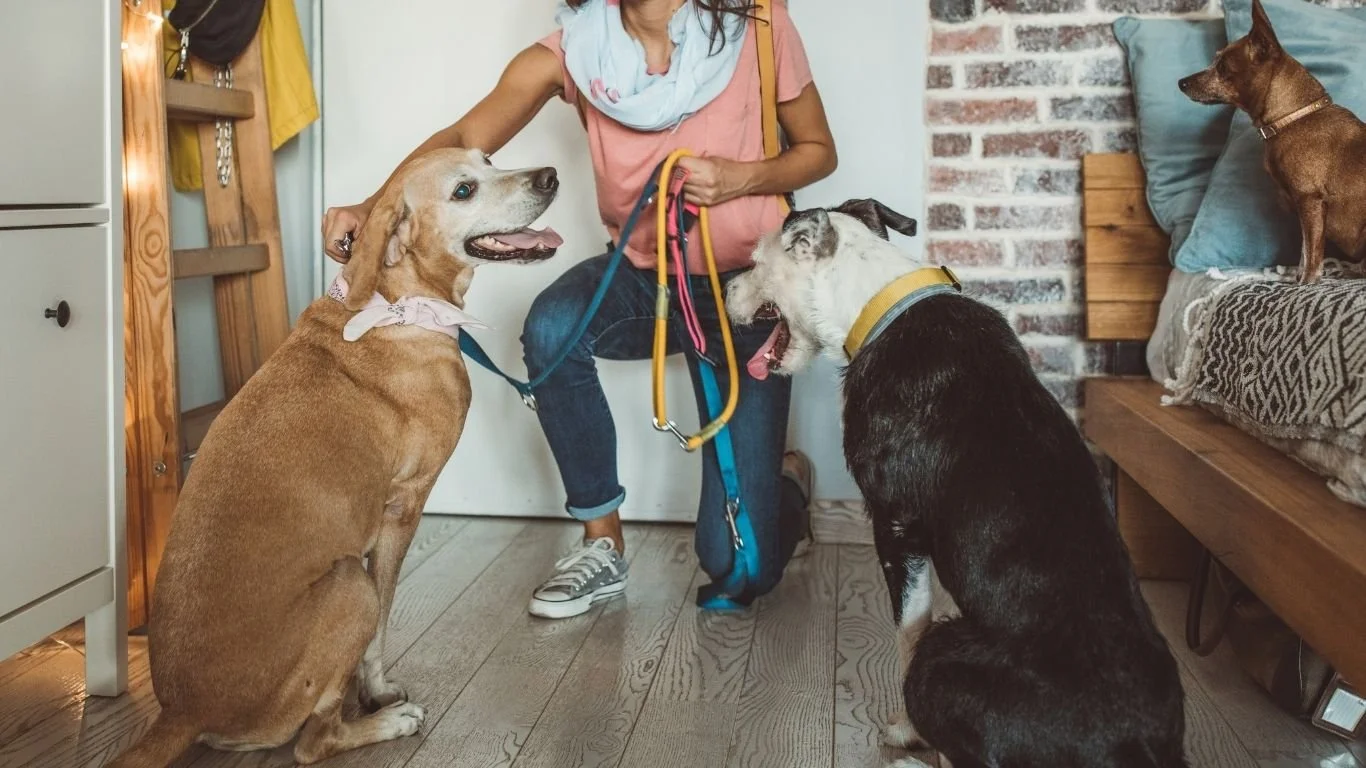
Anyone can write "loves animals" on a profile. What actually matters is how a sitter behaves in your home, with your pet, in real time. A trustworthy sitter will offer a meet and greet before you ever book. This is your chance to watch how they approach your dog, whether they ask about feeding amounts and allergies, and whether your normally standoffish cat decides to make an appearance. If a company will not do a meet and greet, that alone tells you something.

During that visit, pay attention to the questions they ask. A good sitter wants to know your pet's routine down to the details: what time they eat, whether they get anxious during thunderstorms (which matters a lot around here during our spring and summer storm season), what commands they respond to, and where the leash, food, and any medications are kept. If the conversation stays surface level, keep looking.

Ask about bonding, insurance, and backup coverage

This part is not glamorous, but it matters. A professional pet sitting business should be bonded and insured, which protects you if something unexpected happens in your home. It is completely reasonable to ask directly whether the company carries this coverage. You should also ask what happens if your regular sitter gets sick or has an emergency. A solo sitter with no backup plan can leave you stranded on the day of your flight. A company with a small team of trained, vetted sitters can shift visits around without you ever knowing there was a hiccup.

Look for photo updates and real communication

You should never have to wonder what is happening at home. The best sitters send photo or video updates from every single visit, not just when something goes wrong. This is especially reassuring for first time clients and for pets with health conditions. If a sitter is vague about how often you will hear from them, or if their idea of an update is a single generic text at the end of the week, that is a red flag. You deserve to see your dog's face grinning up from the porch, or your cat sprawled out in a sunbeam, while you are hundreds of miles away.

Local knowledge is a bigger deal than people realize

Hiring someone who actually knows Conroe, Willis, and the surrounding parts of Montgomery is not just a nice bonus, it changes the quality of care your pet receives. A local sitter knows which neighborhoods get the worst afternoon heat off the pavement in July and August, knows to walk earlier in the morning or later in the evening during those stretches, and understands our particular flavor of severe weather season, including the fireworks and thunderstorms that send so many dogs into a panic. A sitter who has walked these streets for years also tends to know the closest emergency vet, which matters far more than you would think if something goes wrong on a Saturday afternoon.

Local sitters are also more likely to have real relationships with other pet care professionals in the area, from mobile groomers to mobile vets who can come to your home for routine care. That network becomes valuable fast if your pet needs anything beyond a walk and a meal while you are away.

Check reviews, but read between the lines

Star ratings only tell part of the story. Read the actual reviews and look for specifics: did the sitter follow instructions closely, did they communicate well, did something go wrong and how was it handled. A company with a long history of five star reviews and zero mentions of how they handle problems has probably not been tested yet. A company that has a thoughtful response to an occasional lower rating, explaining what happened and what they changed, often demonstrates more integrity than one with a spotless but shallow reputation.

Trust your gut, and your pet's

At the end of the day, you know your pet better than anyone. If your dog usually warms up to strangers within a few minutes and seems tense the entire meet and greet, listen to that. If your cat, who hides from everyone, decides to rub against a sitter's leg, that is data too. Animals read people quickly, and their reactions during that first visit are worth as much as any credential.

Choosing a pet sitter is really about choosing peace of mind. You want to walk out your front door, suitcase in hand, and not think about home again until you are ready to. That only happens when you know, without a doubt, that the person holding your house key treats your pet like family.

If you are in Conroe, Willis, or east Montgomery and want to meet our team before you ever book a visit, we would love to introduce ourselves. Reach out for a meet and greet and see for yourself why so many local pet parents trust Lone Star with the ones who matter most.


Beating the Texas Heat: A Dog Walker's Guide to Safe Summer Walks in Conroe, Willis, and Montgomery

Anyone who has lived through a Southeast Texas summer knows that our heat does not play fair. By mid morning the humidity has already settled in like an unwelcome houseguest, and the asphalt around Conroe and Willis can climb well past what feels safe for bare paws. As dog walkers who spend our days outside in this weather, not just reading about it, we have picked up quite a few habits over the years that keep pets safe when the temperature spikes. Here is what we do, and what we want every pet owner in Montgomery County to know before the next heat wave rolls through.

Time your walks around the sun, not the clock

The single biggest mistake we see is walking a dog based on convenience rather than temperature. A seven a.m. walk in July already feels warm, but it is nothing compared to what that same sidewalk will feel like at two in the afternoon. We plan our walking routes for early morning or after the sun starts dropping in the evening, when the ground has had a chance to cool and the air is a few degrees more forgiving. If your schedule only allows for midday visits, that is exactly why services like midday drop ins exist. A quick trip outside to the yard and a refreshed water bowl can stand in for a full walk until the temperature comes back down.

Do the pavement test every single time

This one takes five seconds and it matters more than almost anything else on this list. Before you head out, press the back of your hand against the pavement or driveway and hold it there for seven seconds. If it is too hot for your hand, it is too hot for your dog's paws. Concrete and asphalt around Conroe and Willis can reach temperatures that cause real burns in minutes, and dogs often will not show pain until the damage is already done. When in doubt, stick to grass, choose a shaded trail, or consider dog booties for extra protection on hot afternoons.

Watch for the early signs of overheating

Heatstroke in dogs can move from mild discomfort to a genuine emergency faster than most owners expect. Keep an eye out for heavy panting that does not slow down, bright red or purple gums, drooling that seems excessive, wobbly or uncoordinated movement, and vomiting. Flat faced breeds like bulldogs and pugs, along with older dogs, overweight dogs, and thick coated breeds, are at higher risk and need extra caution even on moderately warm days. If you notice any of these signs, move your dog to shade immediately, offer cool (not ice cold) water, and get in touch with your veterinarian right away. This is not a wait and see situation.

Hydration matters before, during, and after

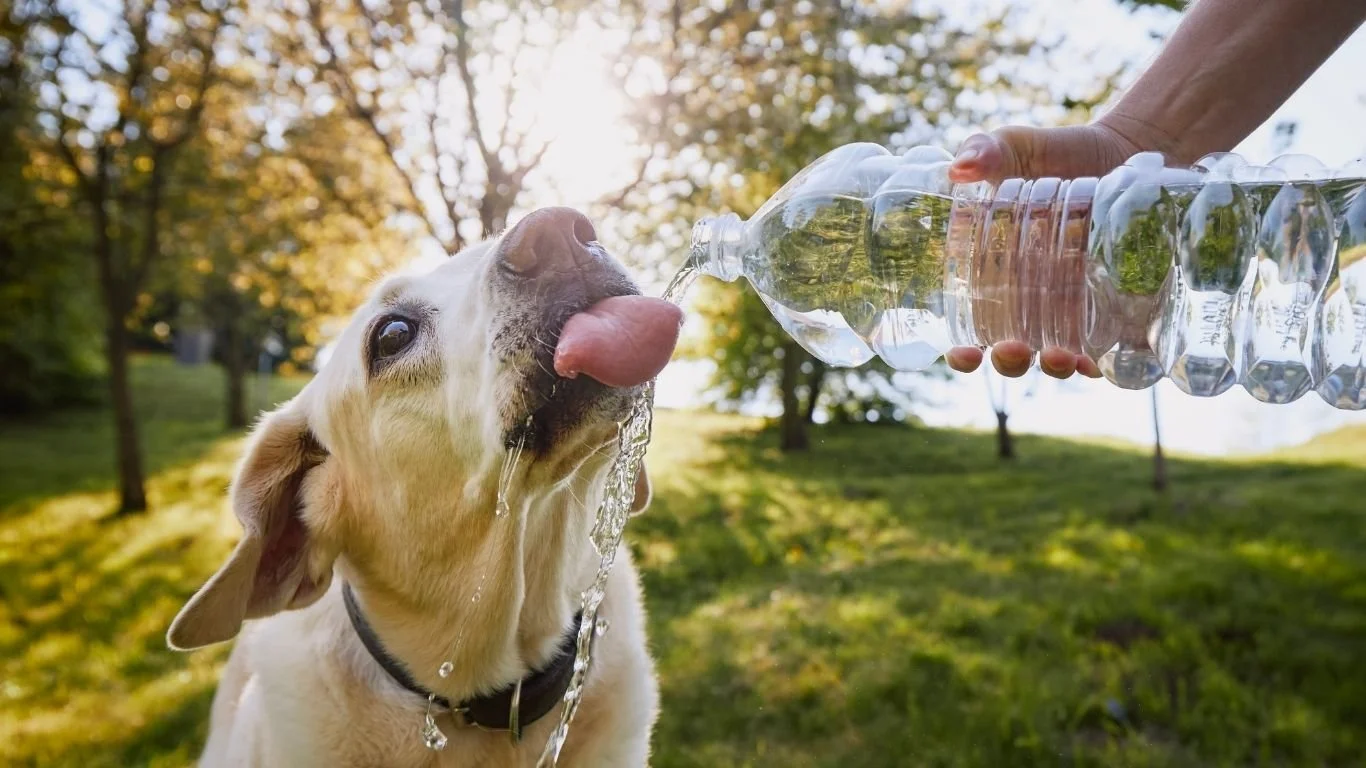
Do not wait until your dog seems thirsty to offer water. Bring a collapsible bowl and bottle on every walk, even short ones, and offer water at regular intervals rather than one big drink at the end. Dogs that are well hydrated regulate their body temperature far more effectively, and a dog who has had steady access to water throughout a walk is much less likely to overheat than one who only drinks once they get home.

Rethink the route, not just the timing

Shaded trails and tree lined neighborhoods make a real difference. If your usual route runs along open sidewalks with full sun exposure, consider swapping it for a shadier path, even if it means driving to a different part of town. Areas with more tree cover hold noticeably less heat than open pavement, and your dog will thank you for the extra ten minutes it takes to get there.

Shorter, more frequent walks beat one long one

During the hottest stretches of summer, we often recommend breaking a long walk into two or three shorter outings spread across cooler parts of the day. This keeps your dog active and mentally stimulated without asking their body to handle sustained heat exposure for thirty or forty minutes straight. A ten minute walk at dawn, a bathroom break midday, and a slightly longer walk after sunset covers the bases without the risk.

Know when to skip the walk entirely

Some days, the responsible choice is to skip the outdoor walk altogether and focus on indoor enrichment instead. Puzzle feeders, a game of fetch down a hallway, or a bit of extra training practice can burn energy without the heat risk. There is no shame in calling it. Your dog would rather have a slightly less exciting afternoon than a trip to the emergency vet.

We walk dogs across Conroe, Willis, and east Montgomery every day, all summer long, and we plan every route with the actual weather in mind rather than a fixed schedule. If the thought of managing walk timing around Texas heat feels like one more thing on your plate, that is exactly the kind of thing we are here for. Reach out anytime to talk about a walking schedule that keeps your dog safe, cool, and happy no matter what the thermometer says.