

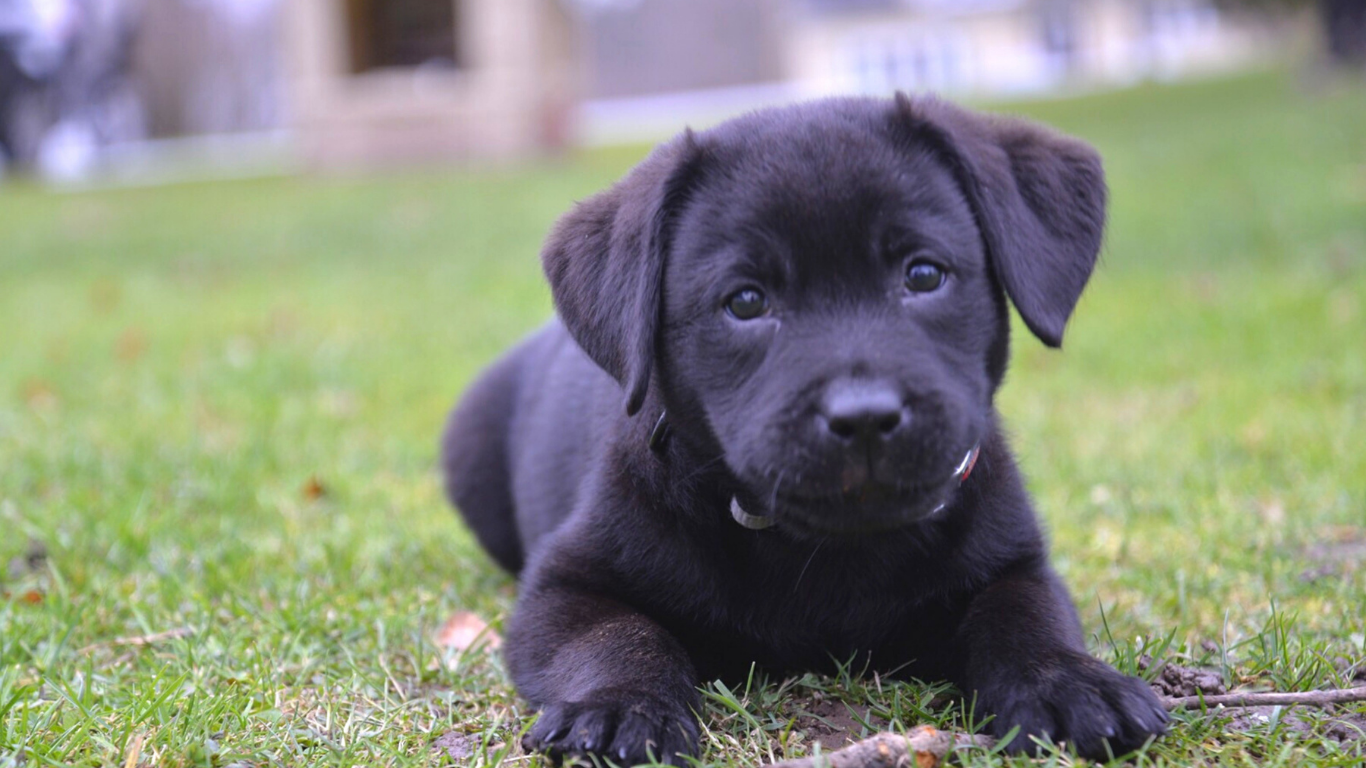
Bringing home a new puppy is one of the best kinds of chaos. Between the chewed shoelaces and the three a.m. bathroom trips, it is easy to let socializing slip down the priority list. But the first few months of a puppy's life shape how they handle the world for years to come, and as sitters who work with plenty of young dogs across Conroe and Willis, we want to walk you through what actually matters and when.
The window is shorter than you think
Puppies have a critical socialization window that runs roughly from three to sixteen weeks of age. During this stretch, their brains are wired to absorb new experiences as normal rather than threatening. A puppy who meets calm strangers, hears a vacuum cleaner, rides in a car, and greets a friendly dog during this window tends to grow into an adult dog who takes the world in stride. Miss this window and the same experiences can require months of patient retraining later on. This is not a reason to panic if your puppy is already a few months old, but it is a reason to start now rather than waiting for "the right time."
Quality matters more than quantity
A common mistake is treating socialization like a numbers game, as many dogs and people as possible, as fast as possible. That approach can actually backfire. An overwhelmed puppy who gets cornered by an overly excited dog at the park may walk away more fearful, not less. Aim instead for short, positive encounters. A calm five minute greeting with a well mannered adult dog does more good than an hour at a crowded dog park. Let your puppy set the pace, and end the interaction while they are still enjoying themselves rather than pushing until they get overwhelmed.
Local spots that work well for young pups
Conroe and Willis have some genuinely good options for low pressure socialization. Quiet neighborhood walks let your puppy process new smells and sounds without the intensity of a crowd. A friend's fenced backyard with one gentle, vaccinated dog is a great low stakes setting for a first playdate. Once your puppy is a little older and fully vaccinated, a slow visit to a local pet supply store during a non-peak hour can introduce new sounds, people, and smells in a controlled way. We recommend holding off on the busiest dog parks until your puppy has a bit more confidence and social skill under their belt.
Once your puppy has completed their full vaccination series, daycare is one of the best socialization tools available. A good daycare gives your puppy structured, supervised time around other dogs, with staff on hand to step in if play gets too rough or a pup needs a break. It is a much more controlled environment than a dog park, and the routine of regular visits helps puppies build confidence around other dogs and new people far faster than occasional playdates alone. This is actually one of our own core services alongside pet sitting and dog walking, and we love watching young pups grow more confident with each visit.
Handling is part of socialization too
People tend to think of socialization purely in terms of meeting other dogs and people, but getting your puppy comfortable with handling matters just as much. Gently touching their paws, ears, and mouth during calm moments, and pairing it with a treat, prepares them for nail trims, ear cleanings, and vet visits down the road. A puppy who is used to being handled calmly grows into a dog who is far easier for groomers, vets, and sitters to care for, which makes every future appointment less stressful for everyone involved.
Watch your puppy's body language
Learning to read your puppy's stress signals will serve you for their entire life, not just this early stage. A tucked tail, lip licking, yawning outside of tiredness, or trying to hide behind your legs are all signs your puppy has had enough for now. Pushing through these signals to "get them used to it" usually teaches the opposite lesson. It is far more effective to end on a good note and try again another day than to force a longer session that leaves your puppy rattled.
Sound exposure matters more than people expect
Vacuum cleaners, thunder, fireworks, garbage trucks, and doorbells are a huge source of adult dog anxiety, and much of that can be prevented early. Play recordings of common household and neighborhood sounds at a low volume while your puppy is calm and relaxed, gradually increasing the volume over several sessions. Pair the sounds with something pleasant, like a favorite toy or a few treats, so your puppy starts to associate them with good things rather than danger.
Consistency beats intensity
You do not need a rigid schedule to socialize a puppy well. A few minutes of intentional exposure most days, mixed in with your normal routine, adds up significantly over a few months. Bring your puppy along on short errands when possible, let them meet the mail carrier from a comfortable distance, and introduce them to friends and family in low key settings. The goal is a wide variety of ordinary, low stress experiences rather than a handful of big, overwhelming events.
We are happy to help
For pet parents balancing work schedules with a demanding new puppy, we often build daily visits around this exact socialization window, from short walks that introduce new sights and sounds to calm, structured playtime. If you have a new puppy at home in Conroe, Willis, or east Montgomery County and want help building good habits early, we would love to talk through a plan that fits your pup's personality and your schedule. Reach out anytime to get started.